
News
Juli 2025
Ein Brief von H.H. Drikung Kyabgon Thinle Lhundup
An alle Halter der glorreichen Drikung Kagyü Dharma-Linie
So wie wir alle die Ausdehnung des Raumes kennen, wissen die meisten von euch bereits, dass ich am Tag des Festes der Drehung des Dharma-Rades (Chökhor Düchen) zusammen mit einigen Tulkus, einem Khenpo, einer Khenmo – und anderen, insgesamt acht Retreat-Teilnehmern in einer Gruppe, eine dreijährige und 45-tägige Retreat-Praxis in der Dorje Nak Ri Retreat-Einsiedelei in Ura Sumrang, Bhutan, beginnen werde. Da es sich um eine Praxis der Vajrayana-Tradition des Großen Fahrzeugs handelt, ist es unnötig zu sagen, dass vom Beginn der Erzeugung von Bodhicitta bis zum Ende der Widmung des Verdienstes eine strenge Abgeschiedenheit zum Wohle der fühlenden Wesen der sechs Bereiche eingehalten werden muss. Tatsächlich gaben sich die Kagyü-Meister vergangener Zeiten nicht mit einer Praxis von nur drei Jahren und 45 Tagen zufrieden. Die Söhne des Siegreichen – Tilopa, Naropa und andere – praktizierten zum Beispiel zwölf Jahre lang Meditation, und Milarepa tat dies sein ganzes Leben lang.
Nachdem wir auf der Grundlage des Zuhörens, Kontemplierens und Meditierens über den Dharma in die Lehren des Siegreichen eingetreten sind, darf unsere Praxis – wie von Drikung Kyobpa empfohlen – nicht nur darin bestehen, „Körper und Sprache ruhelos und beschäftigt zu halten“. Man sollte sich nicht mit bloßen tugendhaften Handlungen des Körpers und der Sprache beschäftigen, wie z.B. mit der Anhäufung von Niederwerfungen, Umrundungen von Stupas, Mantra-Rezitationen und so weiter. Vielmehr besteht der wesentliche Kern des Dharma darin, die letztendliche Bedeutung des Geistes durch gründliche Praxis zu erkennen, diesen Geschmack zu schmecken und ihn im Geistesstroms zu stabilisieren, indem man sich daran gewöhnt, so dass das eigene tägliche Leben mit dem Dharma erfüllt wird.
Die großen Dharma-Linien des tibetischen Buddhismus sind wie die großen Säulen eines riesigen Hauses, von denen jede die Balken des großen Hauses der Lehren des Buddha hält. Zum Beispiel haben die Nyingmapas ihre drei Praktiken der „Acht Gebote, Sammlung von Absichten und Vajrakilaya“, während die Gelugpas von ihren drei Praktiken „Chakrasamvara, Guhyasamaja und Vajrabhairava“ sprechen, und so weiter. Wie jeder weiß, befinden sich diese Traditionen nach wie vor in einem Zustand der Blüte und Fülle und zeigen deutlich ihre jeweiligen Stärken. Es scheint jedoch, dass die meisten von uns Kagyüpas für lange Zeit die klare Identität von Marpa Kagyü verloren haben. Anstatt die Säule unserer eigenen Dharma-Linie hochzuhalten, scheint es, als hätten wir uns versammelt, um es für die Dharma-Säulen anderer zu tun.
Wenn ein Kloster ein großes Drikung Kagyü Kloster ist, dann muss es, um seinem Namen wirklich gerecht zu werden und die Drikung Kagyü zu repräsentieren, nicht nur die Drubchös der Marpa-Tradition Chakrasamvara, Hevajra und Guhyasamaja durchführen, sondern seine großen Gemeinschaftsrituale müssen sicherlich auch die Essenz unserer eigenen Kagyü-Tradition repräsentieren. Aus der Perspektive der persönlichen Praxis eines Einzelnen spielt es natürlich keine Rolle, welche religiöse Tradition man praktiziert; es ist eine Frage der persönlichen Wahl. Aber aus der Perspektive einer Linie ist jede Linie dafür verantwortlich, ihre Kernidentität und ihre Traditionen aufrechtzuerhalten und zu bewahren.
Da ich in die Fußstapfen der großen Kagyü-Meister trete und ein Langzeit-Retreat in Übereinstimmung mit den strengen Regeln unserer Tradition unternehme, bitte ich Sie um Ihre Aufmerksamkeit und Ihre Bemühungen im Hinblick auf diese klaren Richtlinien, die ich hier dargelegt habe.
Geschrieben von dem, der mit dem Namen „Seine Heiligkeit der Drikungpa“ gesegnet ist, Konchok Tenzin Kunzang Tinle Lhundup, am 3. Tag des 6. Monats des Holzschlangenjahres (2025).
Über das Team
Das MarNgok-Komitee
Das MarNgok-Komitee wurde im Juli 2017 von Seiner Heiligkeit Drikung Kyabgon Thinle Lhundup gegründet und benannt. Seine Motivation war es damals, Marpa seinen rechtmäßigen Platz innerhalb der Kagyü-Linie zu verschaffen und die von Marpa an seinen Schüler Ngog Chöku Dorje weitergegebenen Überlieferungen wiederzubeleben, wobei er sich insbesondere auf zwei der Ngok-Mandalas konzentrierte, das Hevajra-Mandalas mit neun Gottheiten und das Nairatmya-Mandalas mit fünfzehn Gottheiten.
Carl Djung, eines der Gründungsmitglieder des Komitees, erstellte eine erste Website, auf der für seine Aktivitäten geworben wurde, sowie eine Facebook-Seite. Diese werden nun von Daniela König und den anderen Mitgliedern des Komitees verwaltet.
Die treibende Kraft hinter dem Komitee, Carl Djung, hat mehr als sieben Jahre harte Arbeit in dieses Projekt gesteckt, um es unter der engen Aufsicht und mit der Unterstützung Seiner Heiligkeit zu verwirklichen.
Seit 1984 engagierte sich Carl in verschiedenen Aktivitäten der Kagyü-Tradition. Er lebte fast acht Jahre lang in einem buddhistischen Zentrum in Dänemark und verwaltete Teile davon über 25 Jahre lang. Seine erste Hevajra-Ermächtigung erhielt er 1987 von Seiner Eminenz Jamgon Kongtrül Rinpoche. Im Jahr 2015 hörte er von den Aktivitäten Seiner Heiligkeit Kyabgon Thinle Lhundup zur Wiederbelebung der Marpa-Tradition von Hevajra und reiste nach Dehra Dun zu den Lehren des Affenjahres (2016), wo er auch die ersten Unterweisungen Seiner Heiligkeit erhielt. Sie trafen sich erneut zu den Monkey Year Teachings im Milarepa Retreat Center, wo Seine Heiligkeit ihn um einen ersten Übersetzungsentwurf der langen Hevajra-Sadhana bat. Außerdem teilte Seine Heiligkeit den Wunsch mit, eine Tradition des Hevajra-Drubchen in englischer Sprache mit westlichen Melodien zu etablieren, und dass Carl dafür der umze sein sollte. Seine Heiligkeit schickte Carl auch zu Daniela, die ebenfalls an den Unterweisungen teilnahm und mit der Seine Heiligkeit ebenfalls seinen Wunsch geteilt hatte, Drubchens im Westen einzuführen.
Im Dezember 2016 erstellte Carl unter der Anleitung Seiner Heiligkeit einen Projektplan und einen Zeitrahmen, der im Januar 2017 vorgestellt wurde. Im Juni 2017 traf Seine Heiligkeit Carl, Daniela und Cécile in Kopenhagen und entwarf einen Plan, den er Carl und Daniela vorstellte. Daniela wurde gebeten, die umzé für die Nairatmya-Drubchens zu werden.
Das Projekt wurde dann der Verwaltung des Milarepa Retreat Centers vorgestellt und offiziell angekündigt. Das Projekt begann mit Freiwilligen, bis der erste Übersetzer, Sonam Spitz, von der Garchen Stiftung gesponsert wurde, um die Hevajra- und später die Nairatmya-Drupchen-Texte zu übersetzen.
Das erste Hevajra-Drupchen fand 2018 statt, das erste Nairatmya-Drupchen 2019.
Im Jahr 2018 schloss sich Westin Harris der Gruppe an und übernahm zusammen mit Carl wichtige Überarbeitungen der langen Hevajra-Sadhana. Im Jahr 2019 kam Cécile hinzu und arbeitete mit Carl und Westin weiter daran, eine getreue und elegante Übersetzung der Sadhanas in ihren verschiedenen Längen zu erstellen.
Im Jahr 2023 schloss sich auch Drupon Rachel Dodds der Gruppe an und brachte ihre Praxis- und Ritualkenntnisse sowie ihr Talent für Verskunst und Gesang in die Gruppe ein.
Das Komitee besteht derzeit aus vier Mitgliedern: Cécile, Daniela, Rachel und Westin. Carl Djung ist nicht mehr Teil der Gruppe, da diese Tätigkeit seine Gesundheit stark beeinträchtigte. Die Gruppe arbeitet auch eng mit dem Milarepa Retreat Zentrum zusammen, insbesondere mit Carolina van Gravenreuth, mit Christian Licht vom Drikung-Zentrum Aachen und mit Elvira Glück. Sie steht auch mit vielen anderen Personen in Verbindung, die meist durch Carl miteinander in Kontakt gebracht wurden.
Die Profile der einzelnen Mitglieder finden Sie auf der nächsten Seite.
Komitee
Cécile Ducher erforscht seit 2000 die frühe Geschichte der Kagyü-Linie. Seit der Gründung der Mar-Ngok-Group im Jahr 2017 arbeitet sie mit dieser zusammen. Cécile hat ein Buch über Marpas Biografien veröffentlicht und ihre Doktorarbeit schrieb sie über die Geschichte der Mar Ngok-Linie. Derzeit übersetzt sie den Kommentar Seiner Heiligkeit zu den Hevajra-Praktiken und ist die Hauptforscherin für alle Sadhanas des Hevajra- und Nairatmya-Zyklus der Mar Ngok-Tradition. Sie wird weiterhin Marpas Hevajra-Tradition studieren und strebt danach, auf jede erdenkliche Weise zur Verbreitung der Mar Ngok-Linie beizutragen.
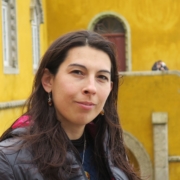
Daniela König begann 2016 offiziell als Freiwillige für das Mar-Ngok-Projekt zu arbeiten. Sie ist professionelle Managerin und Leiterin des Amtes für Weiterbildung in Stuttgart, einem Projekt des Ministeriums für Finanzen und Arbeit in Baden-Württemberg. Daher wurde sie gebeten, gemeinsam mit Carl Djung die Rolle der Projektkoordinatorin zu übernehmen. Aufgrund ihrer tiefen Hingabe und Erfahrung in der Nairatmya-Praxis wurde sie von Seiner Heiligkeit auch gebeten, die Umze für die Drubchens zu werden. Im Jahr 2021 organisierte sie mit Unterstützung des Milarepa-Zentrums (MRZ) auch den ersten Gedenktag der MarNgok-Linie, der seitdem gefeiert wird.
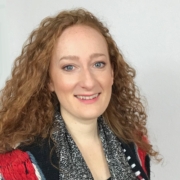
Drupon Rachel Dodds schloss sich 2023 dem Mar-Ngok-Projekt an. Drupon Rachel hat ein traditionelles dreijähriges Retreat in der Drikung-Kagyü-Linie absolviert und wurde von Seiner Heiligkeit Drikung Kyabgon Thinle Lhundup als Drupon des Milarepa Retreat Centers in Deutschland autorisiert. Dort unterrichtet und leitet sie Langzeit-Retreats. Als Mitglied der Mar-Ngok-Group bringt Rachel ihr Wissen über Rituale, Gesänge und Drupchen-Aufgaben ein. Sie unterstützt die Entwicklung englischer Verse und Melodien für Hevajra und Nairatmya. Darüber hinaus ist sie maßgeblich daran beteiligt, alle rituellen Aufgaben zu erlernen, aufzuzeichnen und zu lehren, die notwendig sind, damit die Drupchens auch in Zukunft im Milarepa Retreat Center fortgesetzt werden können. Drupon Rachel arbeitet eng mit der Marnok-Gruppe und Seiner Heiligkeit zusammen, um Möglichkeiten für Kurz- und Langzeit-Retreats für Hevajra und Nairatmya zu entwickeln.
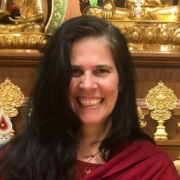
Westin Harris kam 2018 als Übersetzer zur Mar-Ngok-Group, um den Wunsch Seiner Heiligkeit zu unterstützen, die Kernpraktiken der Marpa- und Ngok-Kagyü-Tradition zu bewahren. Er hat bei der Übersetzung und Bearbeitung mehrerer Sadhana-Texte zum Hevajra-Nairatmya-Zyklus mitgewirkt. Derzeit übersetzt er einen umfangreichen Korpus von Texten, die der Beschützerin Düsölma im Kagyü Ngak Dzö gewidmet sind, sowie einen wichtigen Kommentartext über Yogas der Vollendungsphase nach Marpas Hevajra-Nairatmya-System. Über seine Übersetzungstätigkeit hinaus wird Westin in Kürze seinen Doktortitel in Religionswissenschaft an der University of California, Davis, abschließen, wo er sich mit den Lebensgeschichten von Mahāsiddhas wie Virūpa beschäftigt.
Unterstützt uns
Um unsere Arbeit fortsetzen zu können, freuen wir uns über Ihre Spenden!
Bitte beachten: Die Spende kann nur dann korrekt zugeordnet werden, wenn als Verwendungszweck “Mar-Ngok Project” angegeben wird.
Spenden bitte an:
Bankverbindung:
Garchen Stiftung
Kreissparkasse Soltau
IBAN: DE79258516600055064091
BIC-/SWIFT-Code: NOLADE21SOL
Verwendungszweck: “Mar-Ngok Project”
Spenden via PayPal
Paypal:
https://paypal.me/GarchenStiftung
Verwendungszweck: “Mar-Ngok Project”